


Extractor Hoods For Kitchens
Add a review FollowOverview
-
Founded Date April 11, 1902
-
Sectors Talent Acquisition Coordinator
-
Posted Jobs 0
-
Viewed 36
Company Description
10 Cooker Fan Tips All Experts Recommend
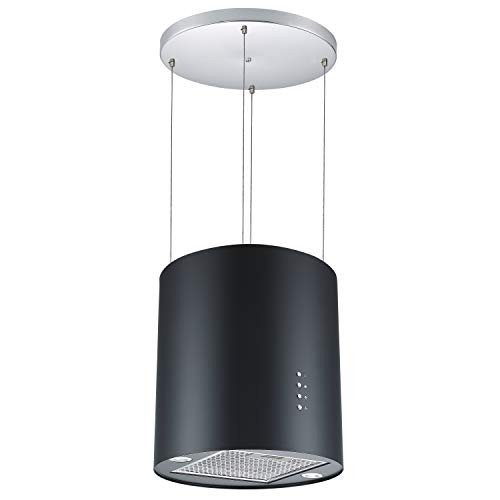
Understanding Cooker Fans: A Comprehensive Guide
In modern kitchens, the functionality and efficiency of cooking home appliances are critical. One of the often-overlooked elements in these kitchens is the cooker fan. This blog post intends to explore the significance of cooker fans, highlight different types, and provide important pointers for their maintenance.
What is a Cooker Fan?
A cooker fan, likewise referred to as a kitchen hood or range hood, plays an essential role in kitchen ventilation. It is a home appliance specifically designed to remove air-borne grease, smoke, steam, and smells that are produced during cooking. Cooker fans can vary considerably in design, size, and functionality, dealing with diverse kitchen layouts and cooking routines.
The Importance of Cooker Fans
Air Quality Improvement
Among the main functions of a cooker fan is to improve indoor air quality. Cooking can produce high levels of humidity and unpredictable organic compounds (VOCs), which can cause breathing problems and other health problems. A correctly operating fan eliminates these pollutants, ensuring a much healthier cooking environment.
Fire Safety
Cooking involves heat and sometimes flames, which can lead to fire dangers, particularly if grease particles build up. Cooker fans assist lessen the threat of fire by aerating possibly harmful smoke and fumes far from the kitchen.
Smell Control
Particular meals can produce strong smells that remain long after cooking is done. Cooker fans actively eliminate these smells, adding to a more pleasant kitchen environment.
Energy Efficiency
Modern cooker fans are designed to be energy-efficient. By ensuring correct ventilation, they can lower the requirement for cooling and other cooling techniques, eventually conserving energy.
Types of Cooker Fans
Cooker fans can be found in different styles and models, each with its own set of features. Below are the most common types:
| Type | Description | Installation | Cost Range |
|---|---|---|---|
| Wall-Mounted | Installed against a wall, these fans are appropriate for many kitchen designs. | Wall-mounted | ₤ 200 – ₤ 2,000 |
| Island | Designed for kitchens with island cooktops, these fans are suspended from the ceiling. | Ceiling-mounted | ₤ 500 – ₤ 3,000 |
| Under-Cabinet | A compact option that fits under kitchen cabinets, suitable for smaller spaces. | Under cabinets | ₤ 100 – ₤ 700 |
| Downdraft | Retractable fans that increase from behind the cooktop, preserving aesthetic appeals. | Installed in the countertop | ₤ 800 – ₤ 3,500 |
| Place | Developed into cabinetry or a customized hood, these fans provide customized visual alternatives. | Custom-made built | ₤ 500 – ₤ 2,500 |
Features to Consider in Cooker Fans
When selecting a cooker fan, it is necessary to consider the following functions:
- Suction Power: Measured in cubic feet per minute (CFM), this determines how efficiently the fan can eliminate smoke and smells.
- Sound Level: Check the sones score; lower sones suggest quieter operation.
- Size: Ensure the fan is proportional to the size of the cooktop for optimum performance.
- Purification System: Look for grease filters, ideally dishwasher-safe, to reduce maintenance.
- Venting Options: Decide between ducted (venting outdoors) or ductless (recirculating air) models based on kitchen layout.
Upkeep Tips for Cooker Fans
To lengthen the life and effectiveness of cooker fans, regular upkeep is important. Here are some upkeep pointers:
- Clean Filters Regularly: Grease buildup can prevent performance. Clean metal filters on a monthly basis and replace charcoal filters every 6 months.
- Examine the Ducts: Ensure that ducts are clear of blockages and lint.
- Clean Down Surfaces: Periodically clean metal surface areas to prevent rust and preserve appearance.
- Check for Wear: Regularly examine for any irregular sounds or decreased airflow, suggesting a potential concern.
- Professional Servicing: Consider having an expert inspection each year to ensure optimal performance.
Often Asked Questions (FAQs)
1. How do I know which size cooker fan to pick?
The size of the cooker fan need to preferably be 6 to 8 inches broader than the cooking surface area. A correct size will make sure maximum effectiveness in air filtration and odor removal.
2. Can I set up a cooker fan myself?
While some fans include DIY installation choices, it’s constantly a good idea to consult a professional for appropriate setup, specifically with ducted systems.
3. How typically should I change the filters?
Metal filters should be cleaned monthly, while charcoal filters ought to be replaced every 6 months, or more often in heavy-use kitchens.
4. What type of fan is best for a small kitchen?
Under-cabinet or wall-mounted fans are normally the best options for smaller kitchens due to their compact size and effectiveness.
5. Are ductless cooker fans effective?
Ductless fans can be efficient for particular cooking scenarios but typically do not eliminate moisture as completely as ducted systems, and they might need more frequent filter modifications.
Cooker fans are an important part of a modern kitchen, supplying important ventilation that promotes a healthy cooking environment. By understanding the numerous kinds of cooker fans offered, Ovens & hobs their functions, and the importance of maintenance, homeowners can make educated decisions about what best fits their cooking requires. Investing time and resources in a quality cooker fan ensures not just an enjoyable kitchen environment but likewise safety and performance in cooking.